The short answer
For most furniture painting, a gravity-feed HVLP spray gun with a 1.3–1.5 mm nozzle is the best starting point: it gives fine atomization, low overspray and easy cleanup, and it handles the clears, lacquers and water-based finishes used on wood. Choose pressure feed or a pressure pot when you spray large panels or thick coatings all day.
Why spray gun choice decides the finish quality
Furniture finishing is unforgiving. A spray gun that atomizes unevenly leaves orange peel, runs or dry spots on tabletops and cabinet doors, and a gun that is hard to clean wastes finish and time between color changes. The right gun matches three things: the coating you spray, the size of your parts, and your production volume.
Feed systems: gravity, siphon and pressure
The feed system controls how coating reaches the fluid nozzle, and it changes how the gun behaves in a furniture shop.
- Gravity feed holds the cup above the gun and relies on gravity plus air suction. It uses nearly every drop of material, needs less air pressure, and is ideal for small-to-medium furniture parts and frequent color changes.
- Siphon feed draws coating up from a cup below the gun. It is inexpensive and holds more material, but it is less efficient and needs more air, so it suits simple, high-volume work more than fine finishing.
- Pressure feed pushes coating from a pressure pot or pump to the gun under controlled pressure. It sustains a heavy, even film over large areas and thicker materials, which is why production furniture lines use it.
Atomization: HVLP vs conventional
Atomization is how the gun breaks coating into a fine mist. The two common technologies for wood finishing are:
- HVLP (high volume, low pressure) uses a high air volume at low pressure to put more coating on the part and less into the air. Transfer efficiency is higher, overspray is lower, and finish quality is excellent — the standard choice for furniture.
- Conventional (high pressure) atomizes with higher pressure, which can give a slightly finer finish on very thin coatings but produces more overspray and uses more material.
Nozzle size and fluid adjustment
Nozzle (fluid tip) size follows the coating’s viscosity. Thin stains and lacquers spray well through a 0.8–1.2 mm tip, while primers, pigmented paints and water-based topcoats usually need 1.3–1.8 mm. Start with the manufacturer’s viscosity recommendation, thin the coating properly, and adjust fluid flow and fan width on a test panel before you spray the workpiece.
A practical furniture-shop setup
| Work | Recommended setup |
|---|---|
| Clear coats and lacquers | Gravity HVLP, 1.0–1.3 mm tip |
| Water-based paints and primers | Gravity HVLP, 1.3–1.5 mm tip |
| Large panels or thick coatings | Pressure feed or pressure pot, 1.5–1.8 mm tip |
| High-volume production | Automatic or pressure-feed guns for consistency |
Frequently asked questions
What air pressure should I use for furniture painting?
HVLP guns typically run at 0.7–2.0 bar (10–29 psi) at the air cap, measured with the trigger pulled, but always follow the gun’s rated pressure and test on scrap first.
Is HVLP better than airless for furniture?
For fine furniture finishing, yes — HVLP gives finer control and a smoother film. Airless is faster for large flat surfaces but is harder to control for furniture-grade results.
How do I stop orange peel on a tabletop?
Orange peel usually comes from a tip that is too small, coating that is too thick, or holding the gun too far away. Correct viscosity, the right tip size and a consistent 15–20 cm pass help most.
Recommended spray equipment
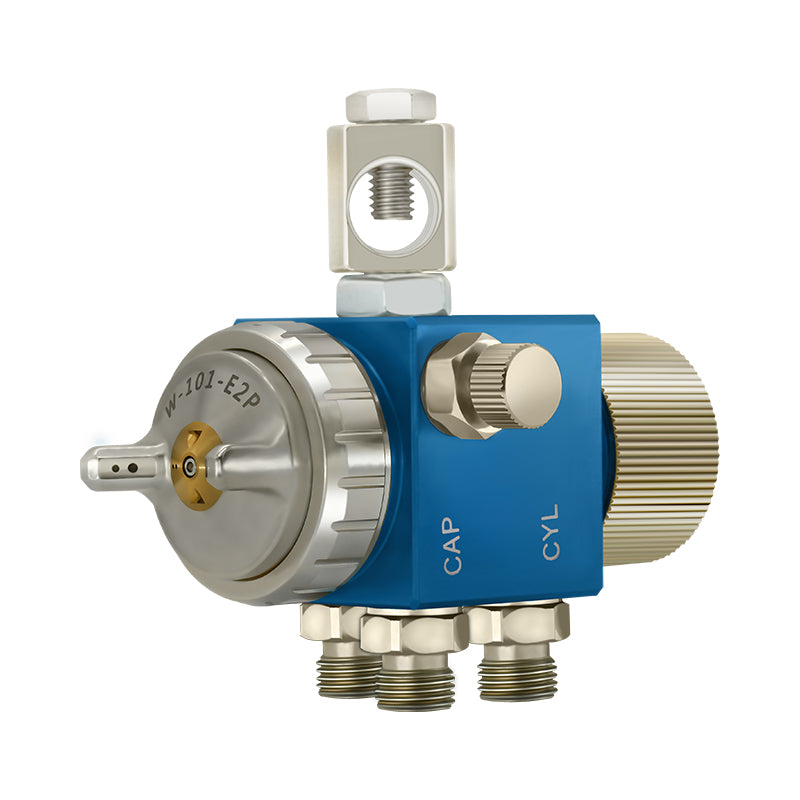
A-101 Automatic Spray Gun — $67.50
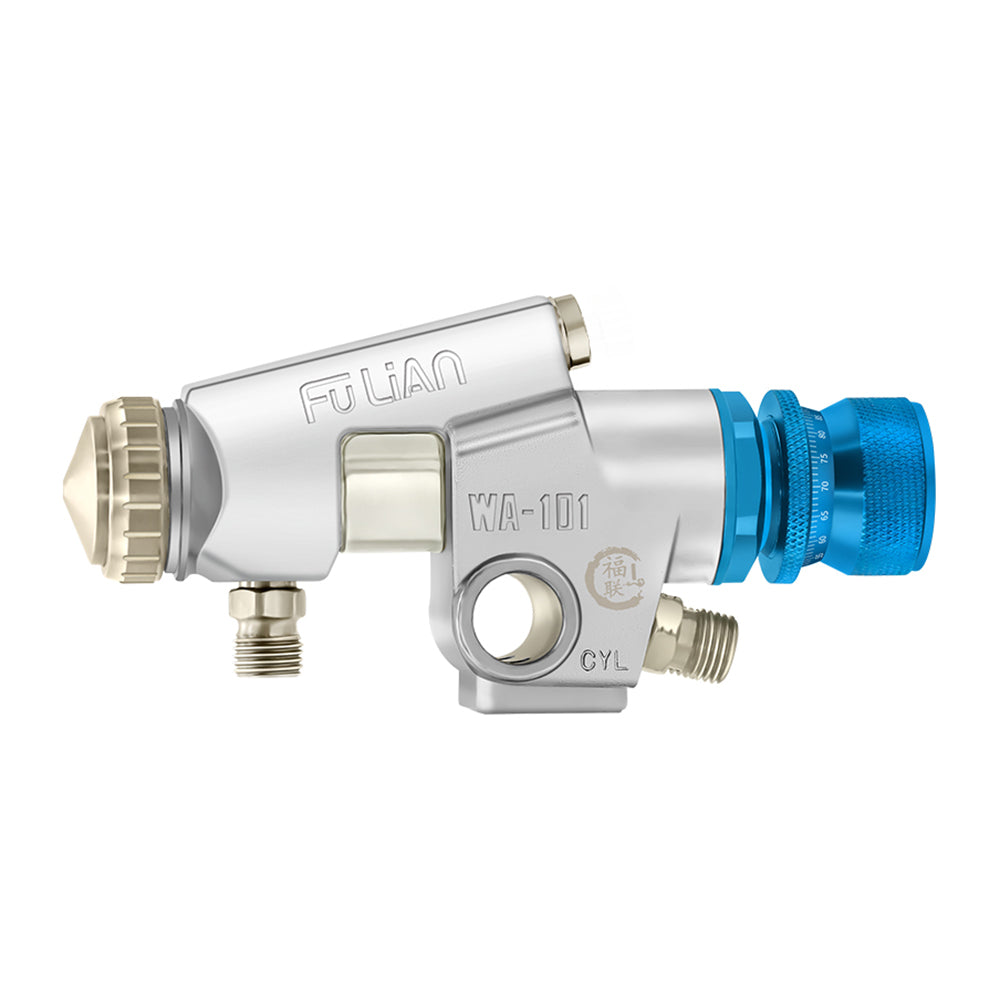
WA-101R Round-Spray Air Gun — $62.00
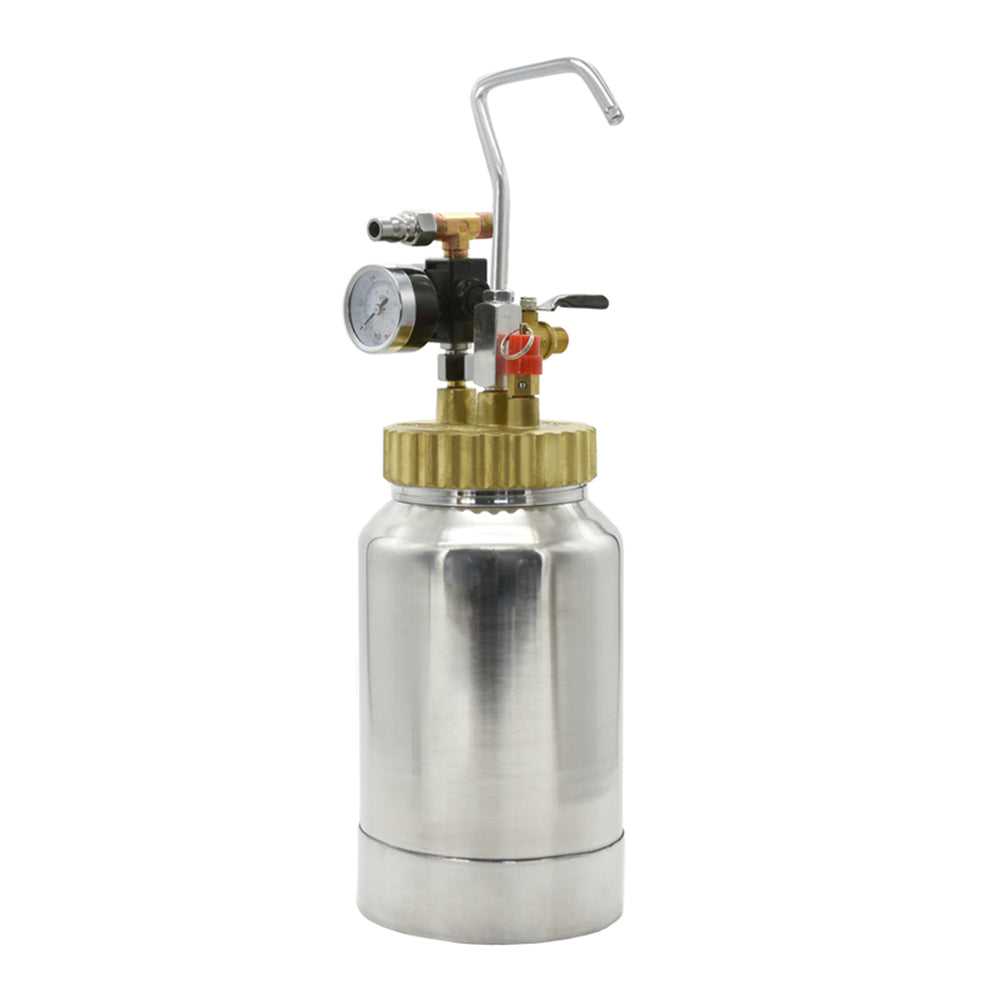
Paint Pressure Tank 2L / 5L / 10L — $89.50
Browse the full spray-equipment range at airycoat.com and tell us your coating and workpiece — we will help you match the right setup.